
Work sample tests are some of the most predictive signals of success on-the-job, but they're hard to launch at scale. That is, until now.
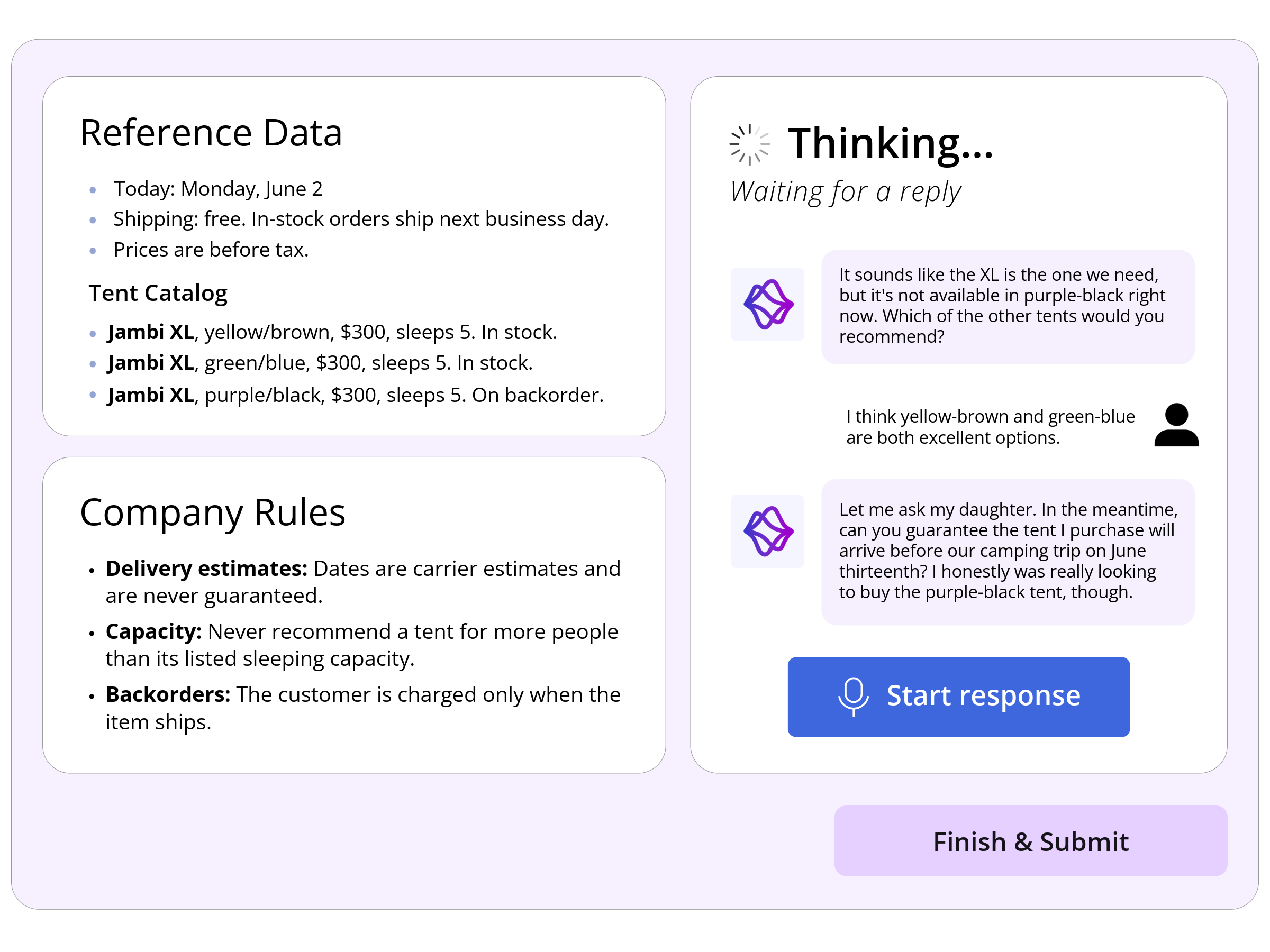
Work simulations are modeled on work sample tests, one of the most reliable predictors of success on the job. Simulations adapt to candidate responses and mirror on-the-job work more accurately than a multiple-choice assessment or a personality test.
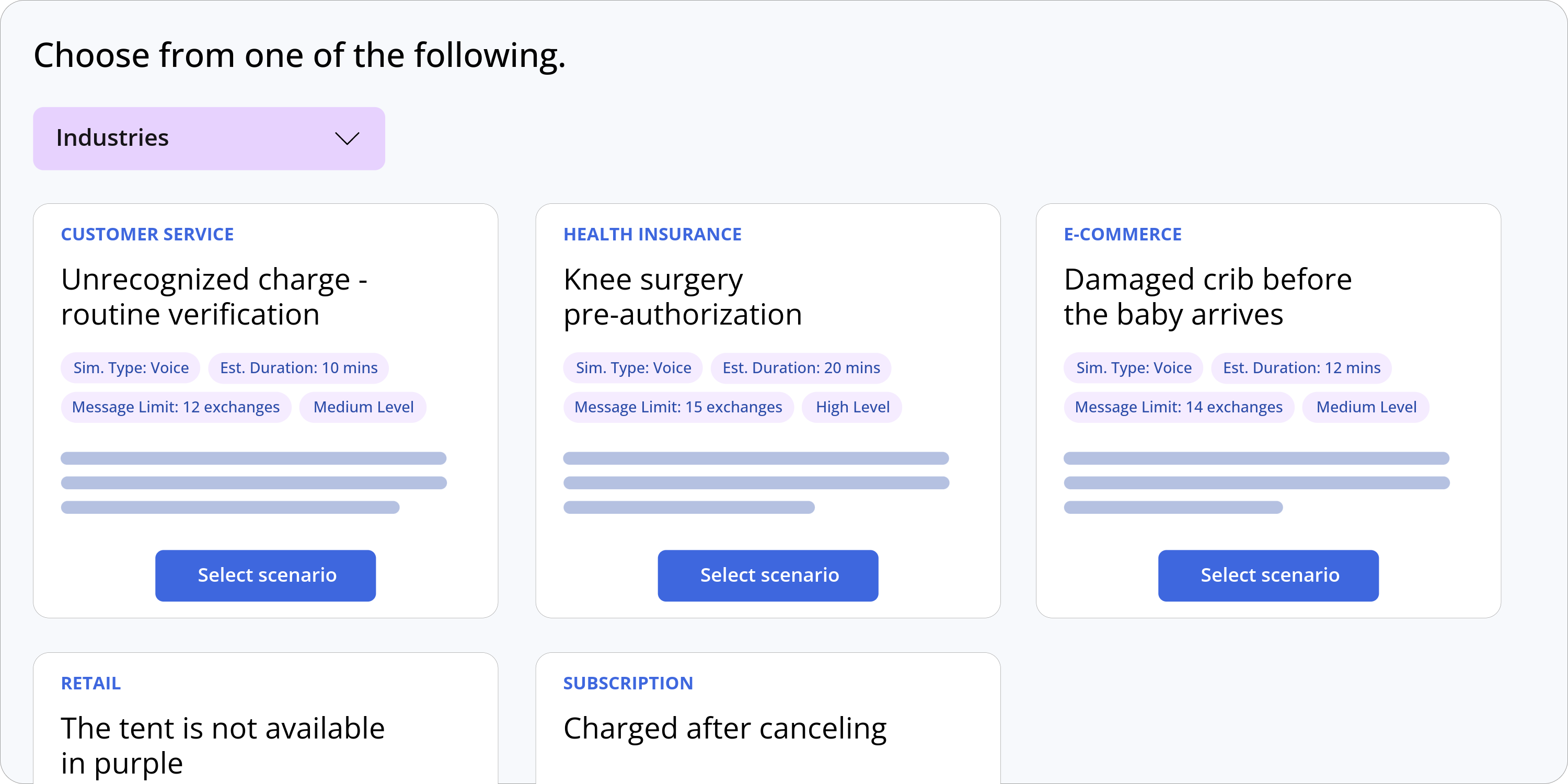
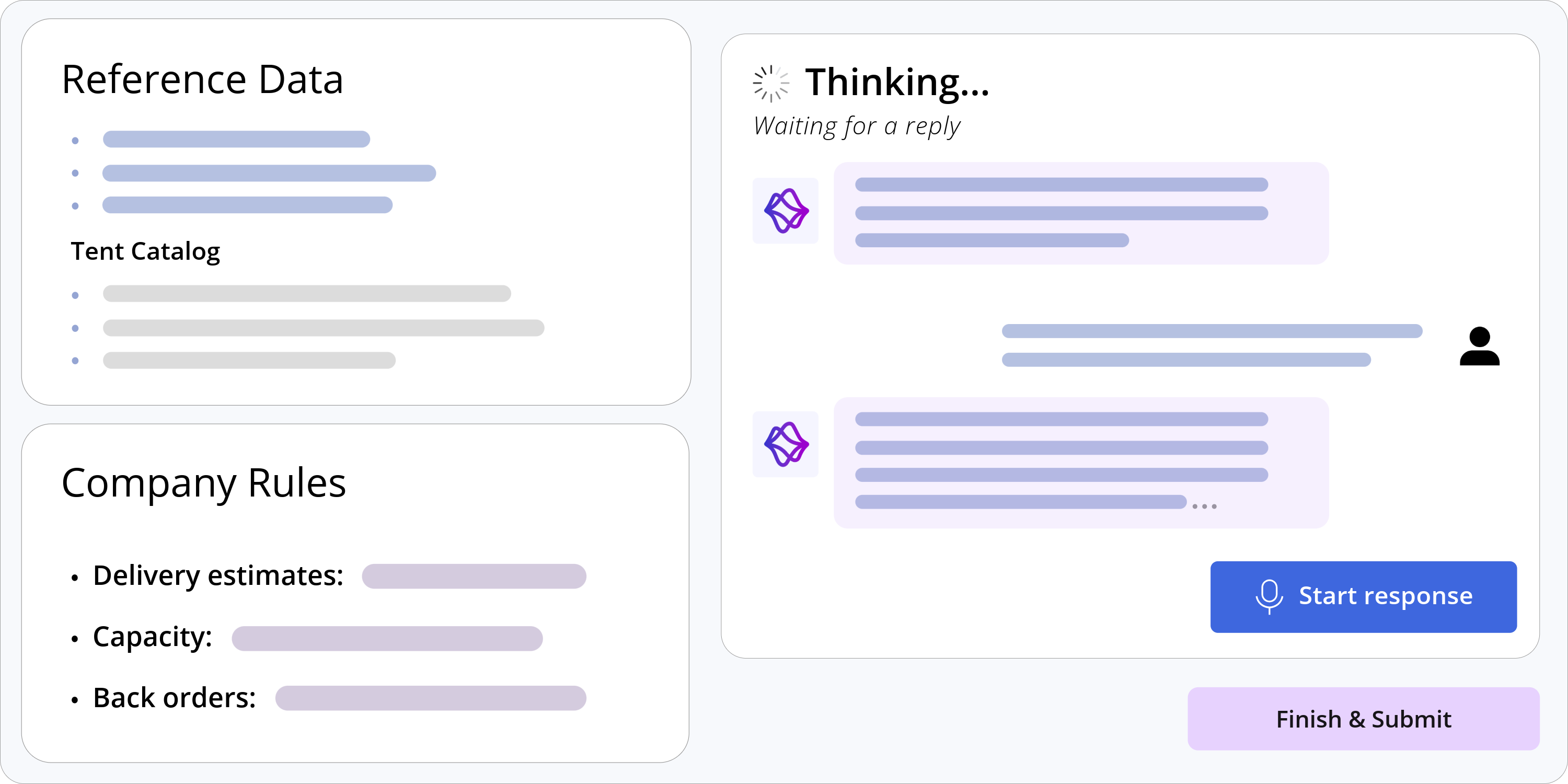
Linea Sample simulations reflect actual voice and chat situations candidates may encounter on-the-job, like difficult customers, platform interfaces, and company policy guidelines.
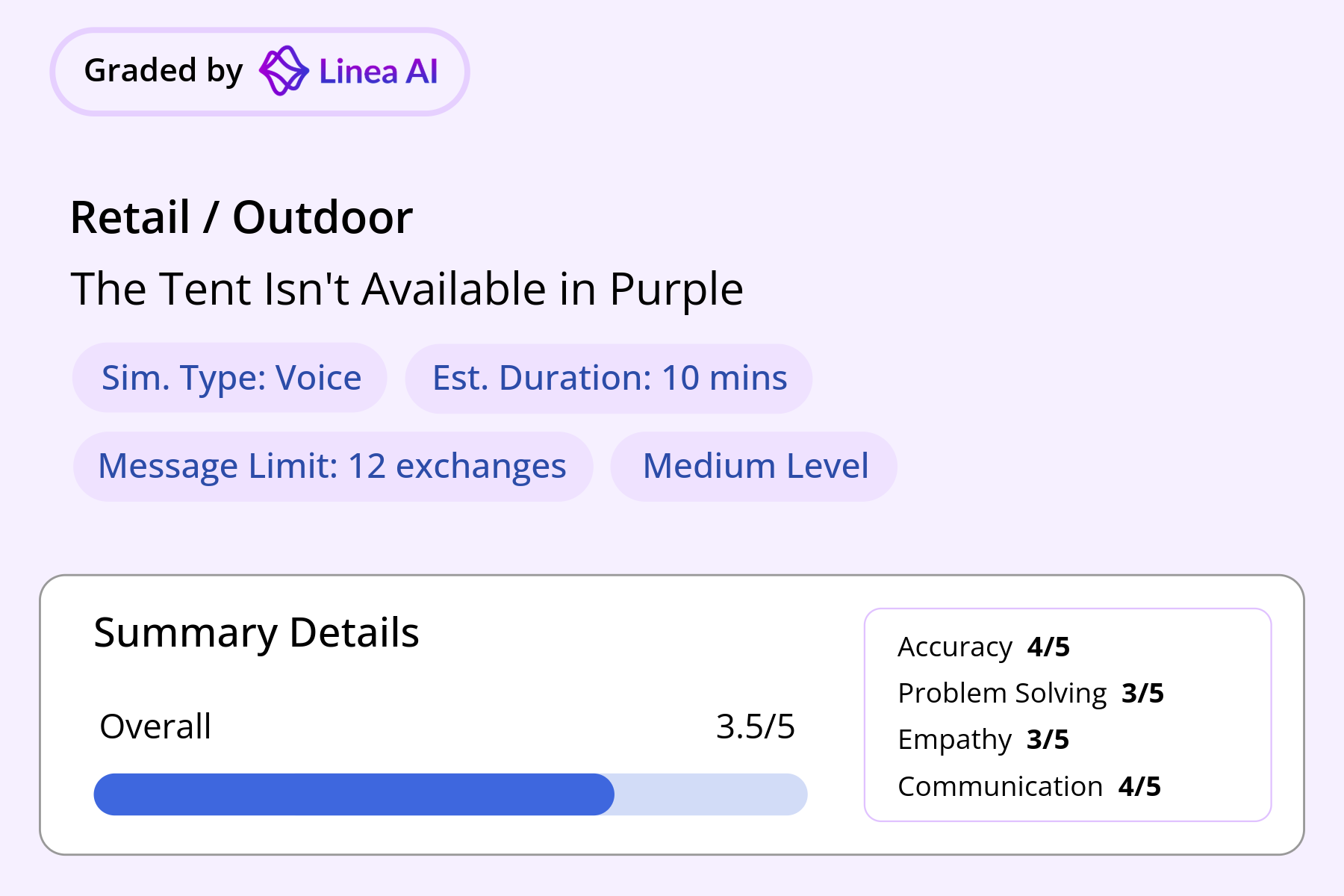
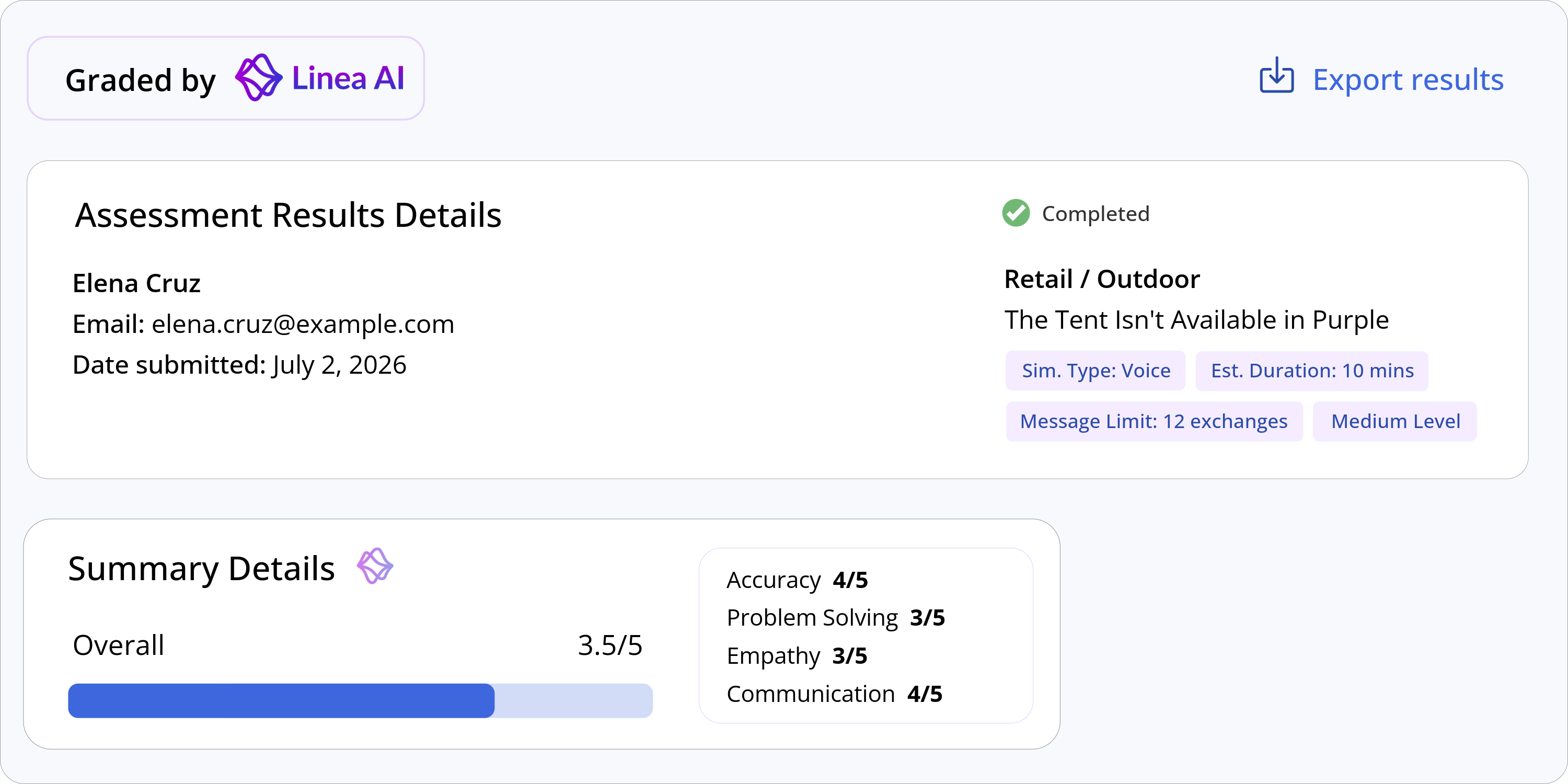
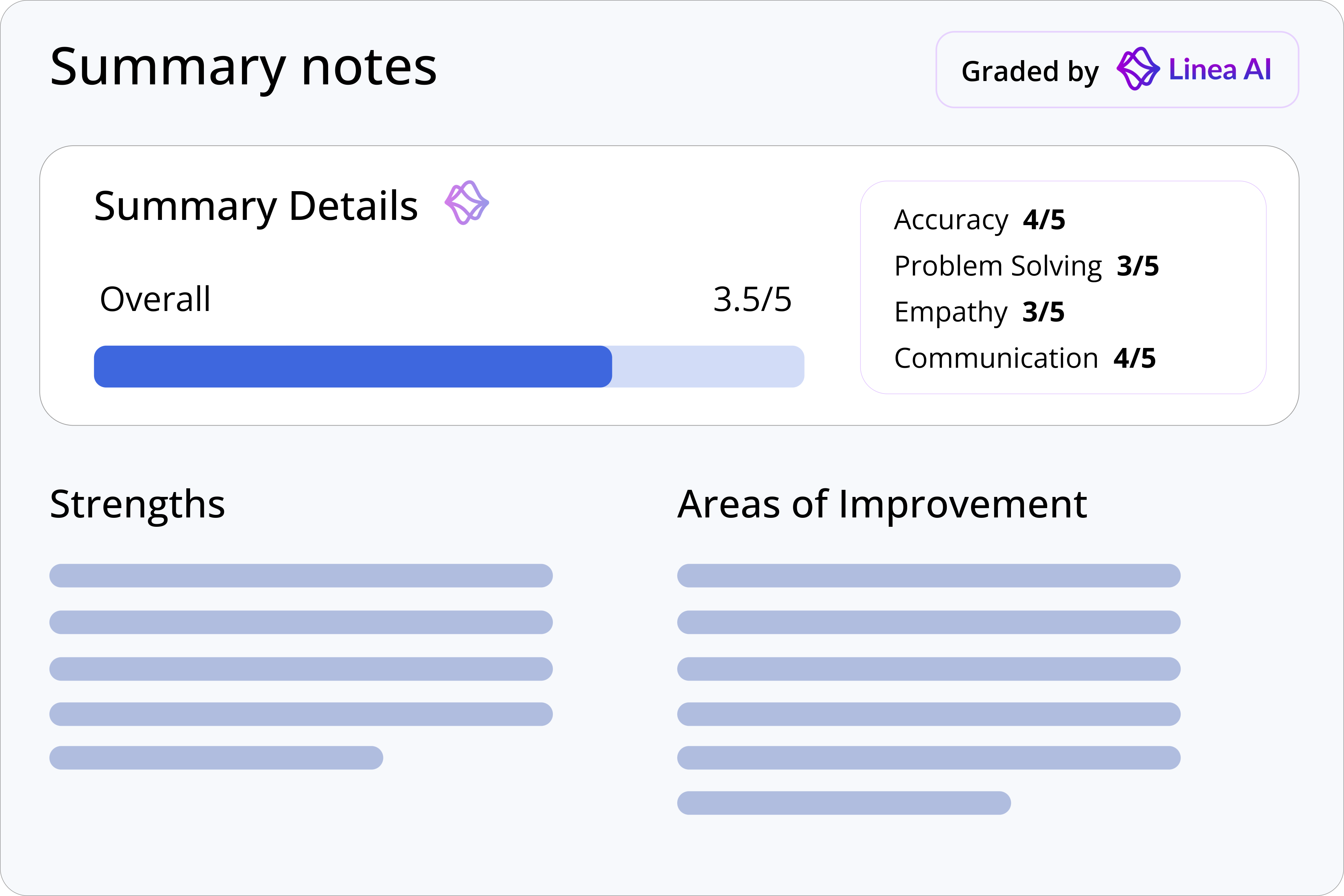
Linea Sample tests and scores candidates on the skills that matter most to customer-facing roles, yet historically lack traditional validation processes: empathy and problem solving chief among them.
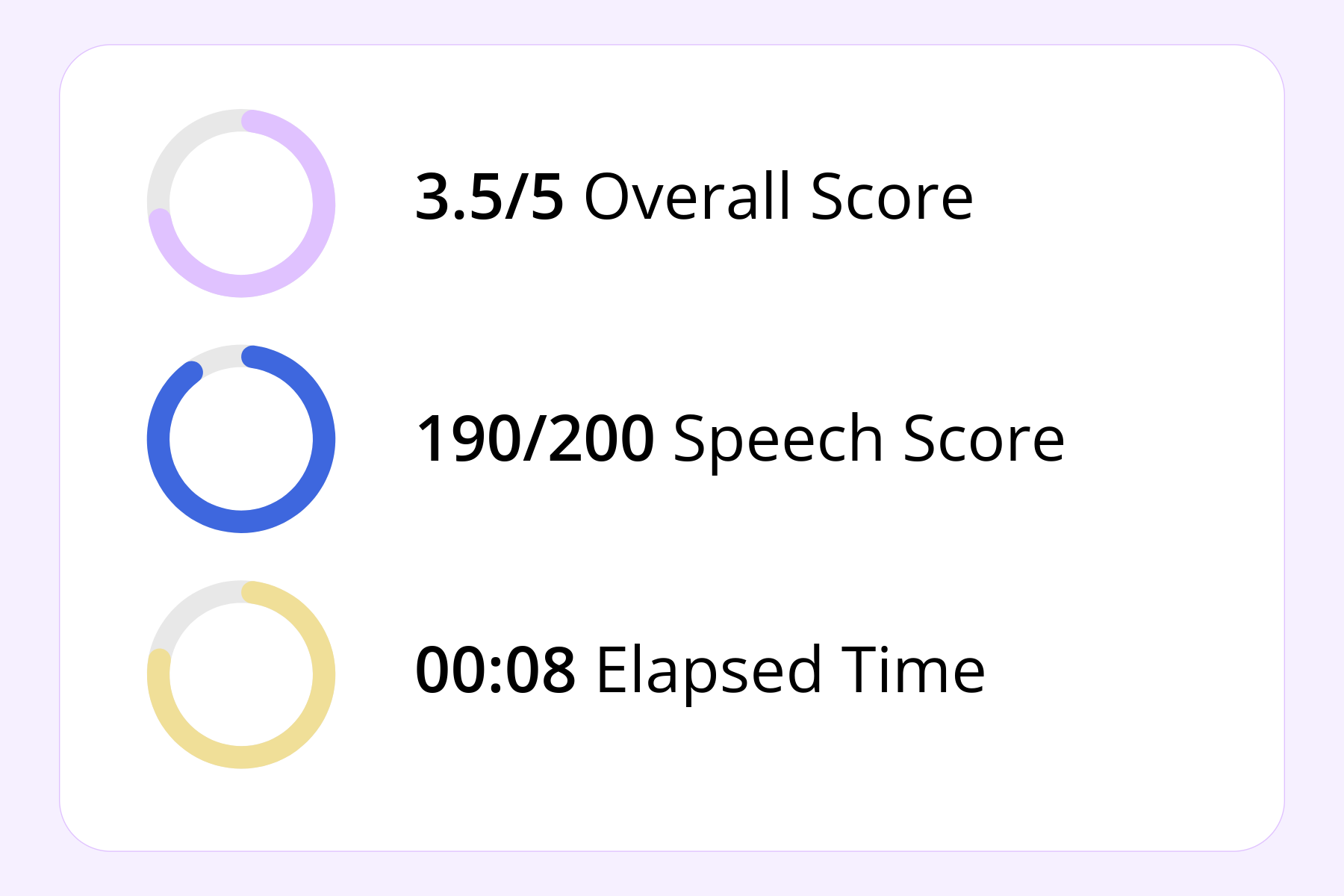
With brief simulations of on-the-job work, employers can identify those fit to handle customer-facing work, while job seekers themselves can assess whether they like the type of work the job would entail.

Accuracy
Measures correctness of information and adherence to policy, authority limits, and required procedures.

Problem Solving
Measures diagnosing the true problem, generating and choosing solutions, and anticipating consequences and next steps.

Empathy
Measures recognition of and response to the customer's feelings and situation, and the sincerity of care shown.

Communication
Measures how clearly, completely, and in what organization the message is delivered: grammar, wording, paraphrasing, completeness, and next steps.
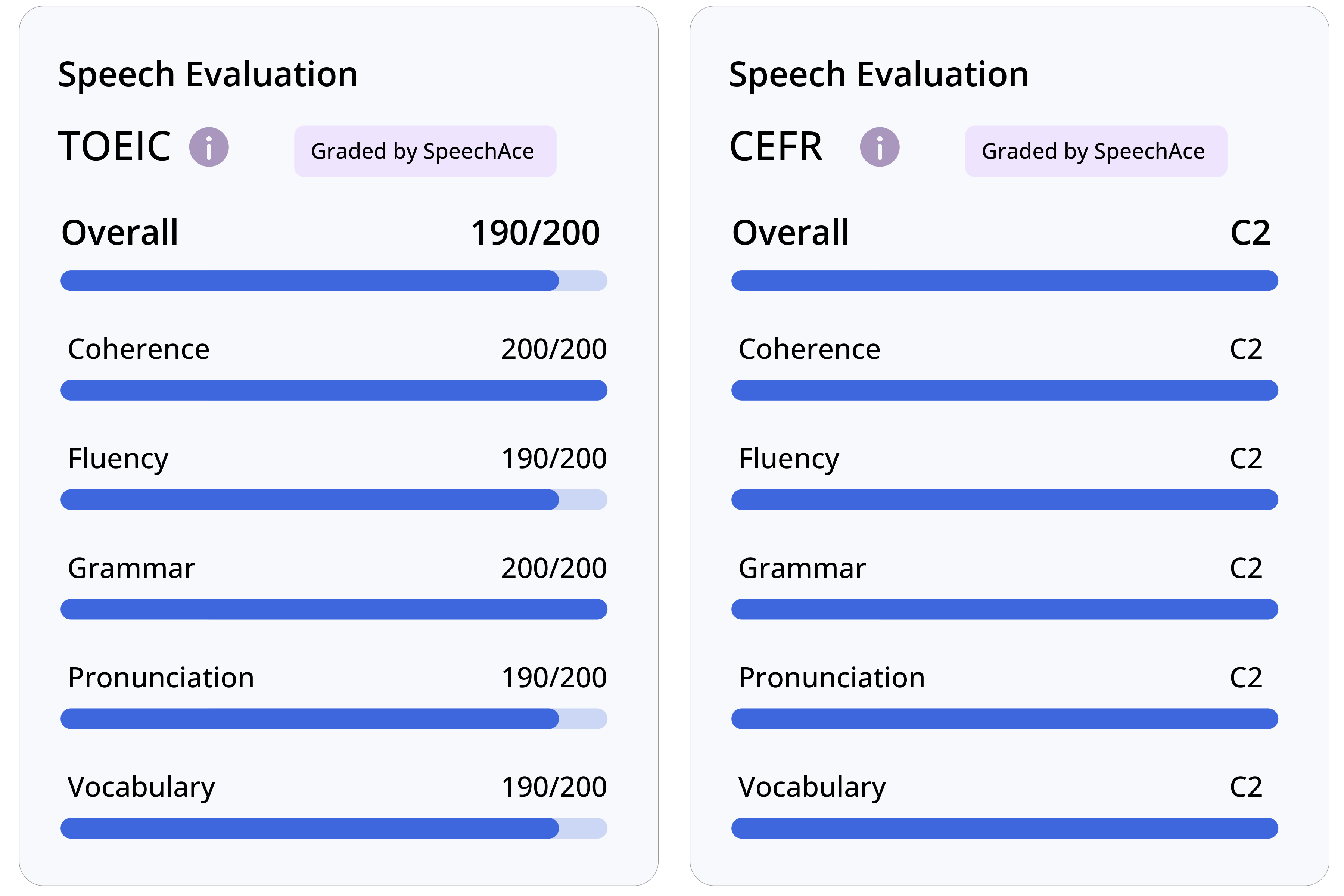

Fluency
Measures how smoothly and naturally a candidate speaks, including pace, flow, and ease of expression without excessive pauses or hesitation.

Grammar
Evaluates accuracy in sentence structure, verb tense, and word order across written and spoken responses.

Pronunciation
Assesses how clearly and intelligibly a candidate speaks, including sound accuracy, stress, and intonation.

Vocabulary
Gauges the range and precision of a candidate’s word choice, and their ability to use terms appropriate to the context.
High-touch industries and positions in healthcare, utilities, retail, contact centers, and BPOs.






Have questions about Linea Sample? Don't worry, we have answers!
Candidates don’t pick answers or record a one-way response. They have a live, unscripted conversation and have to follow company rules, solve the customer’s problem, and stay composed, the way they would on the job.
No. Linea Sample never makes or recommends a hiring decision. Its results are one input for your recruiters and hiring managers, and candidates are told this at the end of the simulation.
Employers can decide whether to offer chats as text, voice, or both. For voice interactions, Linea Sample also evaluates spoken English, including pronunciation and fluency. That result appears alongside the behavioral scores rather than being folded into them.
The AI customer has a defined goal and personality for each scenario, and it works from a closed set of facts. It can be calm, anxious, or frustrated, but it can’t invent details outside the scenario. That keeps the experience consistent from one candidate to the next.
A live, conversational format is much harder to game than a written test, where candidates have time to look up or generate answers. Candidates have to respond in real time.
Candidates receive an invitation, give consent to AI use, can take an optional practice run, and then complete the live scenario. Scenarios typically run five to 20 minutes, and the experience works on desktop and mobile.