
The guide to implementing structured interviews
Incorporating structured interviews takes some upfront work — and no HR professional can do it alone. But it’s a worthy process.
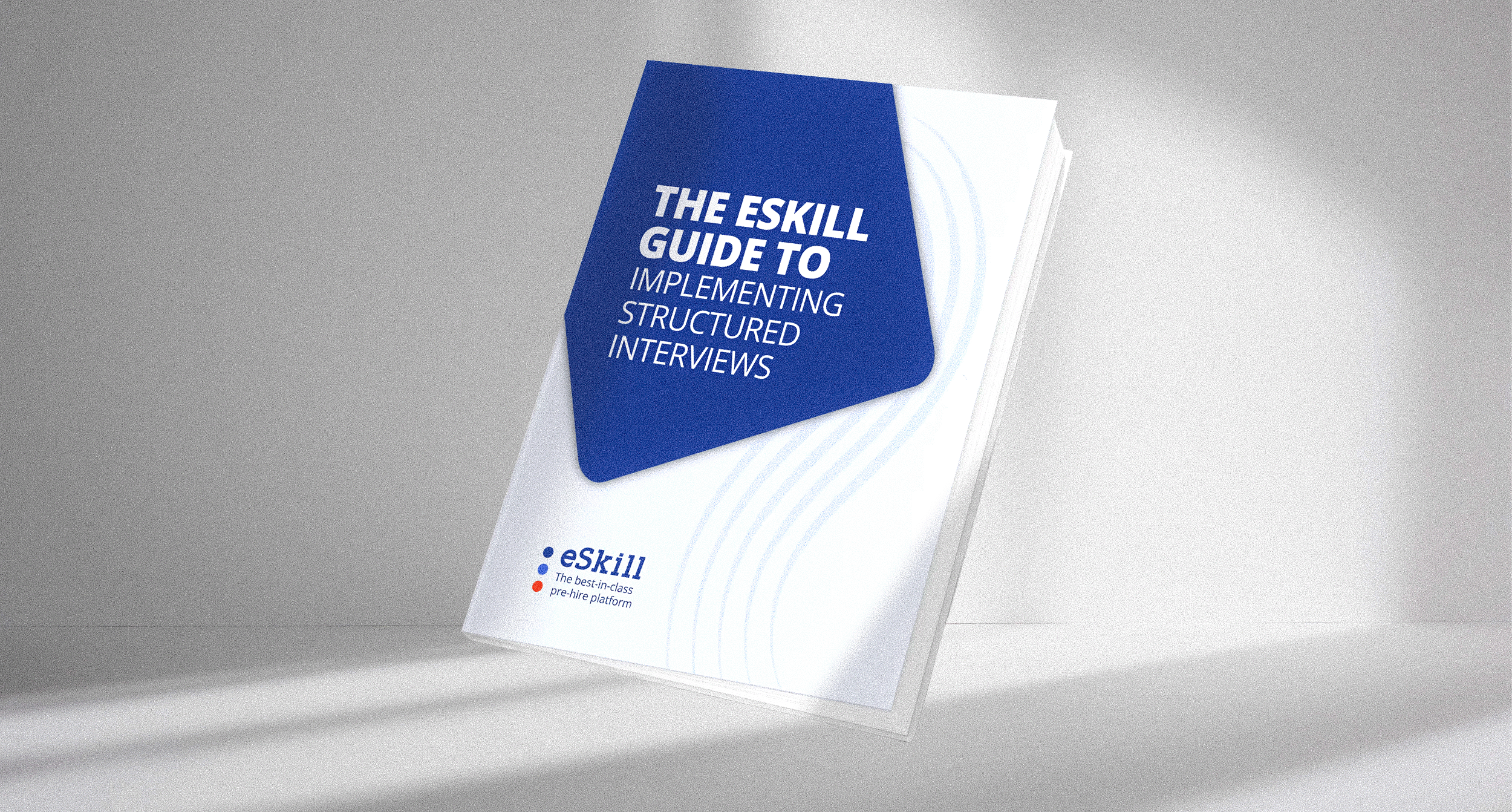
We have a free resource on structured interviews to help you out! It combines insights from Google, the OPM, the Department of Veteran Affairs, and I/O psychology research.
What you’ll learn
Where to start: Identify the skills and behaviors that matter most in the role, then turn them into relevant interview questions.
What to ask: Understand the difference between behavioral, situational, background, and job knowledge questions—and when each is useful.
How to score answers: Create a rubric that defines what stronger and weaker responses look like before the first candidate walks in.
How to keep interviews consistent: Prepare interviewers to ask the same core questions, use follow-ups thoughtfully, and evaluate answers against the same criteria.
How interviews fit into the bigger picture: Combine what you learn in an interview with skills tests and other job-related evidence.

Get the guide
Enter your details below to download the PDF and get it sent straight to your inbox.